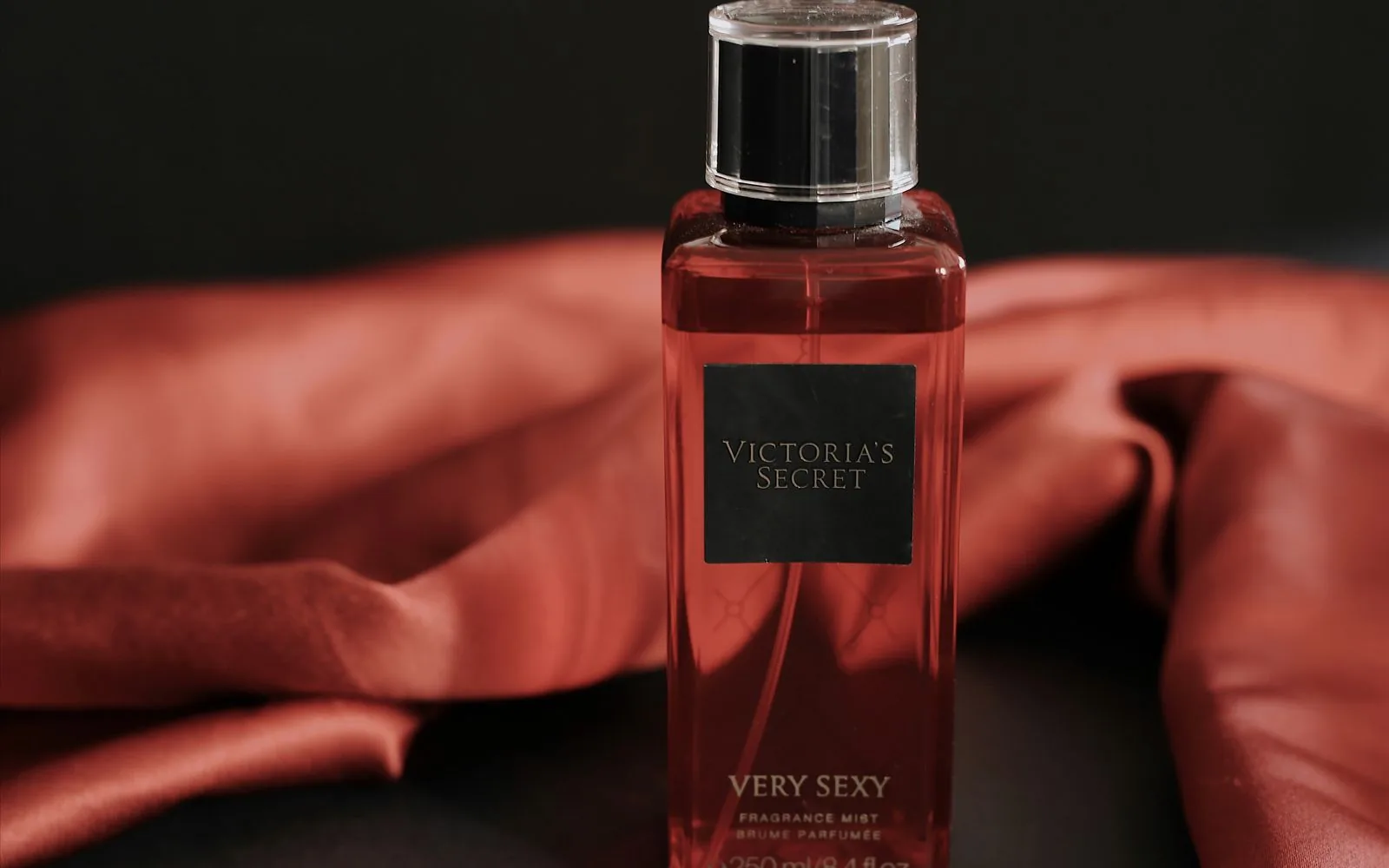
Short answer: Perfume and cologne differ in concentration, scent character, use occasion, packaging and brand position. Eau de Parfum is normally developed for longer personal wear and a premium fragrance experience. Cologne is generally lighter and is often associated with freshness, hospitality and frequent application. For private label production, the right choice depends on the customer, market, bottle format and retail strategy.
The terms can mean different things in different markets
Consumers often use “perfume” as a general word for fragrance, while “cologne” may describe a men’s fragrance in some English-speaking markets. In Turkey, kolonya has a specific cultural meaning as an alcohol-based fragranced refreshment product used in hospitality and daily life.
For manufacturing and labelling, the intended product category, concentration and claims should be defined clearly rather than relying only on casual terminology.
What is Eau de Parfum?
Eau de Parfum is a personal fragrance designed to be worn on the body. It commonly offers a fuller scent profile and longer presence than lighter formats, although actual performance depends on the formula, materials and wearer.
Private label Eau de Parfum is commonly presented in 30 ml, 50 ml or 100 ml glass bottles with a spray pump, cap, label or bottle decoration and individual box. It can be positioned from accessible premium to luxury and niche.
What is Eau de Cologne or Turkish kolonya?
Eau de Cologne traditionally refers to a lighter fragrance style associated with fresh citrus and aromatic notes. Turkish kolonya developed into a broad hospitality and refreshment category with lemon as the classic profile and many modern options such as lavender, fig, tobacco, oud, amber and floral notes.
Kolonya may be packaged in small spray bottles, splash bottles, family-size PET formats or premium glass. The presentation can range from practical everyday use to corporate gifting.
Concentration is only one part of the difference
It is common to compare fragrance products only by oil percentage. Concentration matters, but it does not fully determine quality, strength or longevity. The fragrance materials, formula balance, application, climate and skin all influence performance.
A well-designed lighter cologne can be more appropriate for frequent refreshment than a dense perfume. A premium Eau de Parfum should provide a structured wearing experience rather than simply containing more fragrance material.
Different customer occasions
Perfume is commonly purchased as a personal identity product, fashion accessory, gift or collection item. Cologne can be used for refreshment, hospitality, travel, after meals, corporate presentation and cultural gifting.
A brand may offer both. The perfume can lead the premium personal fragrance line, while cologne creates an accessible or hospitality-focused extension.
Looking for manufacturing for your brand?
Share the product, quantity and target market; we will prepare a project-specific quote.
Packaging differences
Perfume typically uses a crimp or screw spray system, decorative cap and individual box. Bottle weight, decoration and cap design strongly influence brand perception.
Cologne can use PET or glass, spray or splash closures and a wider range of sizes. A practical 100 ml spray needs a different cost structure from a 250 ml premium glass gift bottle.
Private label MOQ and production planning
At Kendi Markanda Perfume, the standard perfume minimum is 1,000 units per fragrance and per bottle model. PET cologne projects commonly begin from approximately 2,000 units. Glass cologne projects are quoted according to the selected bottle, closure, decoration and box.
Using the same visual system across perfume and cologne can strengthen the brand. However, each formula and fragrance variation still requires separate planning.
How to choose the right product for your brand
Choose perfume when the main value is personal wear, scent identity, premium presentation and higher retail pricing. Choose cologne when the product is connected to freshness, hospitality, frequent application, corporate gifting or Turkish cultural positioning.
Choose both when the collection has a clear relationship. For example, a signature Eau de Parfum can be supported by a lighter cologne or a traditional cologne brand can launch a premium perfume extension.
Avoid misleading claims
Cologne should not be marketed as a disinfectant or medical product unless it has been separately developed and authorised for that category. Perfume longevity claims should also remain realistic and should not promise identical performance for every user.
Frequently asked questions
Is cologne only for men?
No. Cologne can be women’s, men’s or unisex. The idea that cologne means only men’s fragrance is a market-specific convention, not a universal product rule.
Is perfume always stronger than cologne?
Perfume is generally developed at a higher fragrance concentration, but perceived strength and longevity also depend on the formula and fragrance materials.
Can I produce perfume and cologne with the same scent?
The same scent direction can be adapted, but the formulas and intended use should be evaluated separately.
Which product has the lower manufacturing cost?
The answer depends on bottle, volume, packaging, fragrance specification and quantity. A premium glass cologne can cost more than an efficient perfume format.
What is the standard perfume MOQ?
The standard minimum is 1,000 units per fragrance and per bottle model.
Request a project-specific proposal
Not sure whether your brand should launch perfume, cologne or both? Share your market, customer, volume and packaging expectations to receive a practical production recommendation.